Product Care & Safety
Great cooking begins with thoughtful care.
From the first morning coffee to a beautifully prepared family meal, well-maintained kitchen appliances make everyday routines more enjoyable.
At Cooknuvexa, we believe that understanding how to operate, clean, maintain, and store your appliances is an essential part of a more confident kitchen experience.
This guide brings together practical care recommendations and important safety considerations for the wide range of kitchen appliances available in our store.
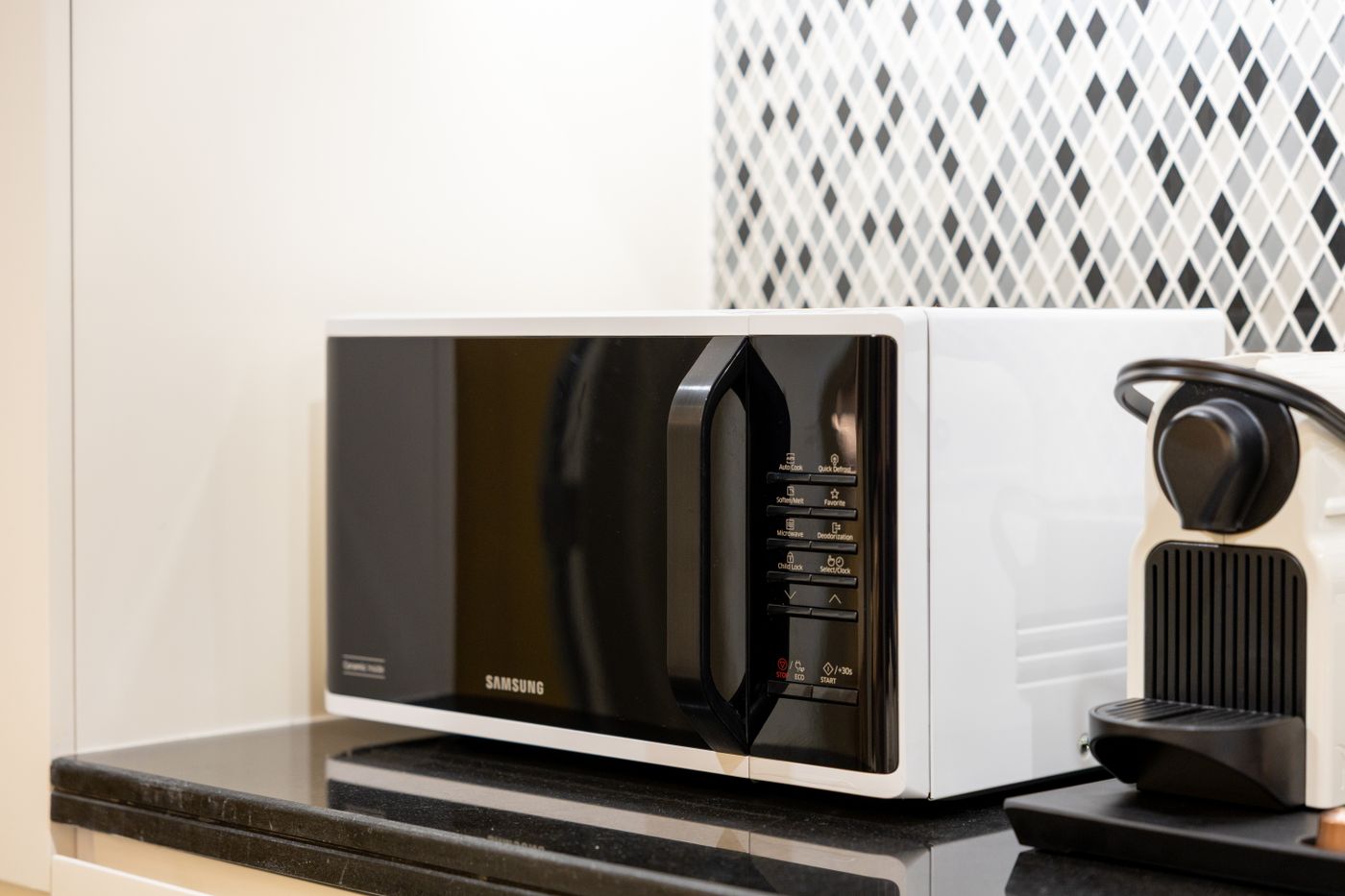
Read the Manual
Know your appliance before use.
Check Compatibility
Match electrical requirements.
Operate Carefully
Follow safe cooking practices.
Maintain Regularly
Clean and inspect as directed.
Before First Use
Every appliance has its own design, operating requirements, safety features, and intended use.
Taking a little time to prepare before using a new product can help you understand its controls and avoid preventable handling mistakes.
This page provides general educational guidance. Always follow the instructions, warnings, specifications, and safety requirements supplied by the manufacturer of your exact appliance. Those instructions take priority over general recommendations on this page.
Inspect the Product
Check the appliance, electrical cord, plug, attachments, containers, and accessories for visible shipping damage. Do not operate equipment that appears damaged, incomplete, or unsafe.
Review the Instructions
Read the supplied manual, operating guidelines, warning labels, and cleaning instructions. Familiarize yourself with the controls, safety locks, temperature settings, and operating limits.
Verify Electrical Requirements
Confirm that the appliance's rated voltage, frequency, plug type, and electrical requirements match the intended power supply. Equipment marked for 220V-only operation must not be connected directly to an incompatible 120V outlet.
Choose a Safe Location
Position the appliance on a stable surface suitable for its weight, operating temperature, and ventilation needs. Maintain the clearances required by the manufacturer and keep electrical parts away from water.
Prepare Food-Contact Parts
Wash or prepare removable food-contact accessories as instructed before first use. Never immerse a powered base or electrical component unless the manufacturer specifically states that it is safe.
Complete the Initial Setup
Assemble the appliance correctly and follow any manufacturer-required initial cleaning, calibration, preparation, or test procedure. Never run an appliance empty unless the instructions explicitly permit or require it.
Power & Placement
Electrical compatibility is especially important for countertop cooking appliances, induction cooktops, electric grills, pressure cookers, kettles, and commercial equipment.
Different products may require different electrical arrangements. Never assume that all appliances can safely operate from the same outlet or power supply.
Cooknuvexa's product range includes appliances with different voltage requirements, including some commercial equipment intended for higher-voltage operation. Always confirm the exact product label before purchase and installation. Where dedicated wiring or higher-voltage installation is required, consult a qualified electrician. Never modify plugs or defeat grounding protections.
Care by Appliance
Different cooking technologies require different precautions. Explore the essential considerations for common appliance categories.
Air Fryers & Ovens
Keep ventilation openings unobstructed and provide the clearance specified in the manual. Avoid overcrowding cooking baskets and keep loose paper, towels, and other combustible materials away from heating elements.
Grills & Griddles
Use suitable utensils on cooking surfaces, monitor hot grease, and keep cords clear of heat. Follow the instructions for handling removable plates and drip trays. Never pour water onto energized electrical components.
Pressure & Multi-Cookers
Follow all fill limits, pressure-release procedures, lid-locking requirements, and seal inspections. Keep pressure valves unobstructed and never force a pressurized lid open. Allow pressure to release fully as instructed.
Blenders & Processors
Keep hands and utensils away from moving blades. Secure containers and lids before operation. Disconnect power before removing attachments or cleaning cutting parts. Use caution with hot liquids and never exceed the manufacturer's limits.
Coffee Makers & Kettles
Use suitable drinking water, respect minimum and maximum fill markings, and avoid contact with hot water or steam outlets. Follow manufacturer-approved descaling procedures and ensure electrical connections remain dry.
Microwaves & Cooktops
Use containers approved for the appliance. Never operate a microwave with a damaged door or seal. Use induction-compatible cookware where required. Keep cooking zones clean and follow instructions for cooling and surface protection.
Rice Cookers & Steamers
Respect fill markings and keep steam vents clear. Use appropriate heat protection when opening lids or removing hot containers. Do not immerse electrical bases, and make sure heating-contact surfaces remain clean and dry.
Mixers & Breakfast Makers
Keep fingers, utensils, and loose clothing away from moving attachments. Turn off and disconnect power before changing beaters, whisks, or accessories. Respect operating limits and do not touch heated cooking plates.
Ice & Frozen Drink Makers
Use the water and ingredients permitted by the manufacturer. Clean food-contact surfaces regularly and follow sanitation, drainage, and storage instructions. Allow adequate ventilation for equipment containing refrigeration components.
Pressure cooking and pressure canning are not interchangeable. Do not assume a multi-cooker, electric pressure cooker, or pressure-cooking appliance is suitable for preserving low-acid foods. Use equipment and tested canning procedures specifically appropriate for safe food preservation, following recognized food-safety guidance and the manufacturer's instructions.

Clean With Care
Regular cleaning can help reduce residue buildup, maintain hygienic food-contact surfaces, and keep appliance components operating as intended.
Cleaning requirements differ between stainless steel, nonstick coatings, glass, plastic, ceramic surfaces, heating elements, and electrical components.
Disconnect and Cool
Switch off and unplug the appliance when instructed. Allow heated components to cool sufficiently before cleaning.
Protect Surfaces
Use manufacturer-approved cleaning products and tools. Avoid abrasive scrubbers on surfaces or coatings that could be damaged.
Wash Removable Parts
Clean food-contact accessories according to their instructions. Place parts in a dishwasher only when expressly identified as dishwasher-safe.
Keep Motors Dry
Never immerse a powered appliance base, electrical connector, or motor assembly unless its manufacturer explicitly allows it.
Dry and Reassemble
Let cleaned parts dry appropriately and ensure they are assembled correctly before reconnecting or operating the appliance.
A Simple Routine
Small habits can support cleaner equipment and help you notice potential maintenance needs before they become more serious.
After Each Use
Follow shutdown instructions, allow heated components to cool, and remove food residue from approved removable parts. Check for spills, leaks, or other unusual conditions.
Regularly
Inspect cords, connectors, removable attachments, seals, and frequently used components. Follow recommended cleaning and descaling schedules when applicable.
Periodically
Review the manufacturer's maintenance recommendations. Replace worn consumable parts only with compatible, approved components. Arrange qualified service if the appliance develops a functional or safety concern.
Maintenance frequency should follow the manufacturer's requirements and may vary according to appliance type, water hardness, frequency of use, and operating conditions.
Store It Well
Proper storage matters even when appliances are not being used. A clean, dry, organized environment can help protect equipment, accessories, and electrical connections.
Storage requirements differ between compact countertop appliances, large commercial machines, and products containing refrigeration systems, sharp attachments, or water reservoirs.
Empty and dry water containers or reservoirs as instructed before extended storage.
Avoid tight bends, sharp edges, crushed connectors, or wrapping cords around hot surfaces.
Store blades, attachments, lids, and removable components safely to help prevent damage or injury.
Select a stable, appropriately ventilated location away from excessive moisture, heat, and accidental impacts.

When to Stop
Never continue operating an appliance that appears unsafe. Stop using the product if you notice concerning signs, and follow the manufacturer's safety and troubleshooting instructions.
Damaged Cords or Plugs
Exposed wiring, scorched plugs, damaged insulation, loose connections, or unusually hot electrical connectors require attention.
Unexpected Smoke
Stop operation if you notice concerning smoke, burning odors, sparks, or unusual overheating. Follow the appropriate emergency procedures if a fire risk exists.
Damaged Components
Cracked housings, broken safety guards, damaged microwave door seals, loose blade assemblies, or compromised pressure-cooker seals may affect safe use.
Electrical Exposure
Water entering an electrical enclosure, suspected electrical faults, repeated circuit trips, or unusual shocks must not be ignored.
Abnormal Operation
Unusual grinding, excessive vibration, unexpected pressure behavior, or malfunctioning temperature controls may indicate a problem.
Visible Food-Contact Damage
Severely damaged coatings, cracked containers, broken food-contact surfaces, or deteriorated removable components should be reviewed before further use.
If an appliance is unsafe, stop using it and disconnect power only when it is safe to do so. Do not attempt electrical or mechanical repairs beyond those explicitly authorized in the manufacturer's instructions. Seek appropriately qualified service. If there is an active fire, electric shock, or immediate danger, follow emergency procedures and contact local emergency services.
Care Questions
Explore practical answers to common questions about maintaining cooking and beverage appliances.
Can I place appliance parts in the dishwasher?
How often should I descale my coffee maker?
Can I use any cookware on an induction cooktop?
Is a 220V appliance compatible with a 120V outlet?
How do I protect a nonstick cooking surface?
Can I clean an appliance while it is plugged in?
What should I do if an appliance stops working?
Are commercial appliances different from home appliances?
Where can I find model-specific instructions?
Here to Help
Understanding your kitchen equipment should be straightforward. If you have a question about an appliance purchased from Cooknuvexa, our team is available to assist with product-related inquiries.
Whether you need help identifying a model, reviewing the product information, understanding available support options, or reporting an issue, we want to make the process clear and helpful.
When requesting assistance, please provide your order number, product name, and model number, if available. A description of the concern can also help our team understand your inquiry.
Cooknuvexa offers 24/7 customer support, free shipping on every product, a stated delivery timeframe of 3–5 calendar days, and free returns and exchanges within 30 days. Our team can explain the applicable arrangements if you experience a product concern.